




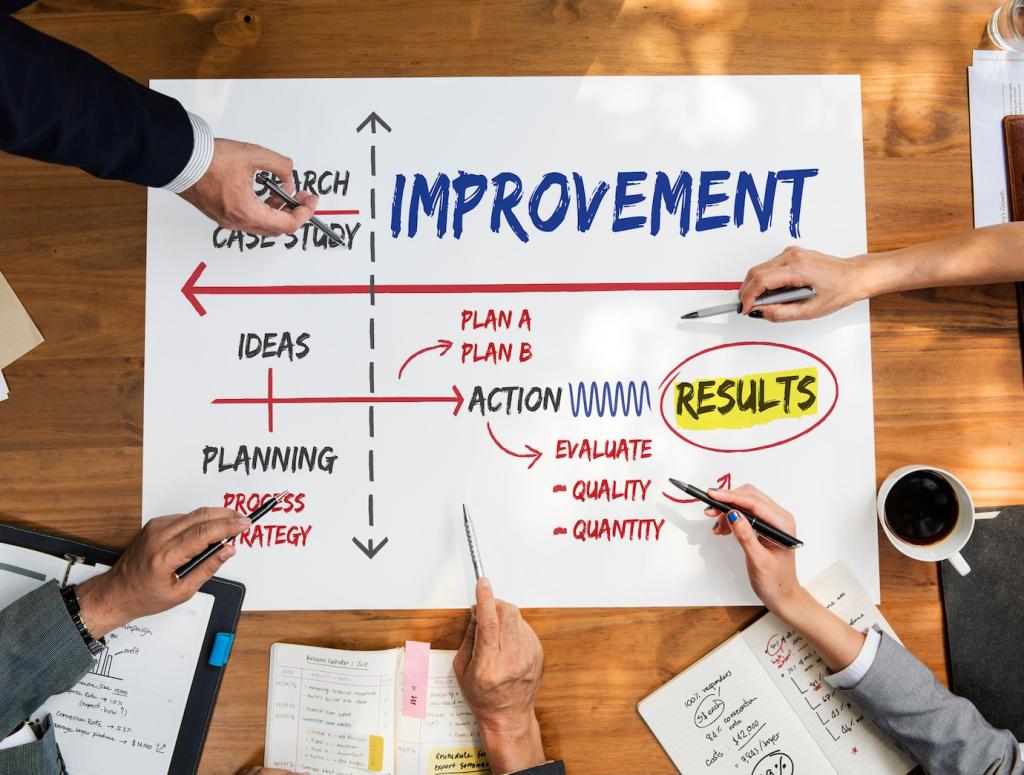
Cost-Effective Tools for Streamlining Small Team Operations

Today’s theme: Cost-Effective Tools for Streamlining Small Team Operations. Welcome! If you run a small team, you know every dollar and minute matters. Here you’ll find practical, budget-savvy tools, real-world stories, and simple frameworks to help your crew move faster with less. Share your favorite tools in the comments and subscribe for weekly, no-fluff playbooks.

The ROI Lens: Spend Where It Speeds the Work

Cost-effective tools are less about cheap and more about high return on time. Ask which tool prevents rework, shortens cycles, and clarifies ownership. If it reduces friction across the week, small teams feel the gain immediately and repeatedly, stacking benefits into measurable, ongoing leverage.

Time Is Your Primary Currency

In small teams, hours lost to clunky workflows compound painfully. Tools that automate routine steps, reveal status instantly, and reduce handoffs protect your focus. Guard the calendar, shorten loops, and preserve deep work by choosing systems that eliminate unnecessary clicks and conversations.

Avoiding Tool Sprawl and Hidden Costs

Too many overlapping apps breed confusion, context switching, and quiet subscription creep. Prefer fewer, flexible tools with solid integrations and clear governance. Centralize where possible, document conventions, and periodically audit licenses so your stack stays light, understandable, and truly cost-effective.

Lightweight Communication and Collaboration That Scales

Use channels for teams and projects, and threads for decisions. Pin summaries, attach final documents, and link tasks. An async-first culture reduces interruptions, makes knowledge discoverable, and lets teammates respond thoughtfully, without the pressure of being online at the exact same time.

Lightweight Communication and Collaboration That Scales

Share an agenda beforehand, define expected outcomes, and record only when necessary. Summarize decisions in a short note and link action items to tasks. By treating meetings as purposeful rituals, your team preserves energy for building, not repeatedly rehashing context.

Project Management Without the Price Tag

Track work as cards moving from backlog to done. Limit work in progress, define clear acceptance criteria, and use labels for priority and type. A visual board surfaces bottlenecks quickly, making it easier to finish what matters instead of juggling too many half-done tasks.

Project Management Without the Price Tag

Use a spreadsheet to score tasks using impact, effort, and risk. Rank weekly, confirm with the team, and lock your plan. This simple cadence builds trust and predictability, ensuring the most meaningful work consistently rises above busywork or loudest-voice requests.

Automation and Integrations on a Budget

No-Code Triggers to Remove Repetition

Set up triggers like “form submitted” to create tasks, notify channels, or append a row to a log. Begin with one critical workflow, measure time saved, and standardize it. A handful of reliable automations often beats a sprawling network of fragile connections.

Email-to-Task and Calendar Bridges

Route important emails into your task board automatically, and sync deadlines with calendars. This keeps commitments visible where work happens. Clear visibility reduces missed follow-ups and enables a calm, predictable rhythm for small teams under constant context shifts.

Reusable Templates and Checklists

Turn recurring processes—launches, hiring, onboarding, and reviews—into templates with step-by-step checklists. Templates reduce variance, protect quality, and make it easier for teammates to jump in. The consistency is a quiet form of automation that scales knowledge without extra cost.

Data, Analytics, and Reporting for Tiny Budgets

Spreadsheet Dashboards That Tell the Story

Pull key metrics into a single sheet: cycle time, lead time, win rate, and support volume. Use simple charts and conditional formatting to highlight trends. A modest dashboard reviewed weekly supports better decisions than a complicated system people rarely open.

Security and Governance Without Enterprise Spend

Adopt a shared password manager with team vaults and require two-factor authentication everywhere. Document ownership of critical accounts and use unique credentials. These habits eliminate risky workarounds and keep access secure even as responsibilities shift across teammates.

Security and Governance Without Enterprise Spend

Create groups for roles—engineering, operations, and finance—and grant permissions to groups instead of individuals. Review access quarterly. This simple discipline reduces accidental exposure, saves time during onboarding and offboarding, and keeps your stack resilient without expensive administration layers.

A Real-World Story: Five People, Half the Cost, Double the Clarity

They listed every tool, owner, and purpose, then highlighted overlap and unused licenses. By migrating to fewer, flexible apps and retiring the rest, they cut costs while improving discoverability. The team felt lighter immediately, with fewer tabs and clearer places to find answers.
Kuzuluktaksi
Privacy Overview

This website uses cookies so that we can provide you with the best user experience possible. Cookie information is stored in your browser and performs functions such as recognising you when you return to our website and helping our team to understand which sections of the website you find most interesting and useful.